Maritime Safety: A Pillar of Iraq’s Maritime Sector
Maritime safety is one of the fundamental pillars of Iraq’s maritime transport sector, given its vital role in supporting the national economy through oil exports and the import of essential goods and commodities.
With the continuous expansion of port activities and maritime transport, Iraq’s commitment to applying the highest maritime safety standards is essential to building trust among local and international partners and ensuring the sustainable, efficient, and secure operation of maritime activities.
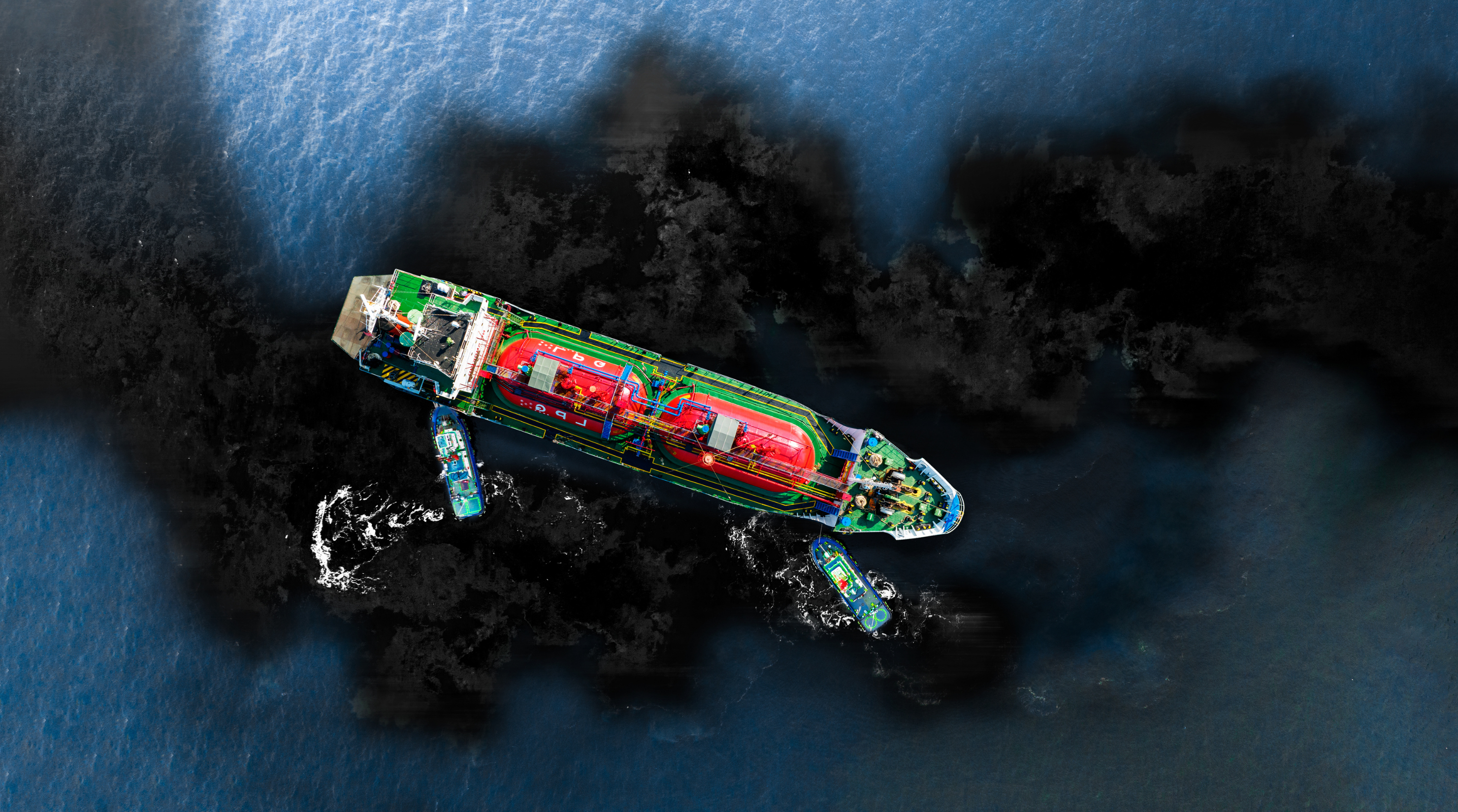
By AGP
Legal and Regulatory Framework for Maritime Safety in Iraq
Iraq’s maritime safety sector is governed by a set of national and international laws and regulations that cover all aspects of life safety at sea, marine environmental protection, and the safety of ships and ports. Key regulations include:
- The Iraqi Supreme Maritime Authority Law, which regulates the operations of ships, maritime agencies, and port activities, and grants the authority powers of inspection and oversight.
- Maritime Safety Law No. 148 of 1977 and its amendments, which define the obligations of shipowners and operators to ensure safety standards are met.
- Compliance with international conventions and treaties such as:
- The International Convention for the Safety of Life at Sea (SOLAS)
- The MARPOL Convention for the prevention of pollution from ships
- The International Safety Management (ISM) Code
- The International Ship and Port Facility Security (ISPS) Code

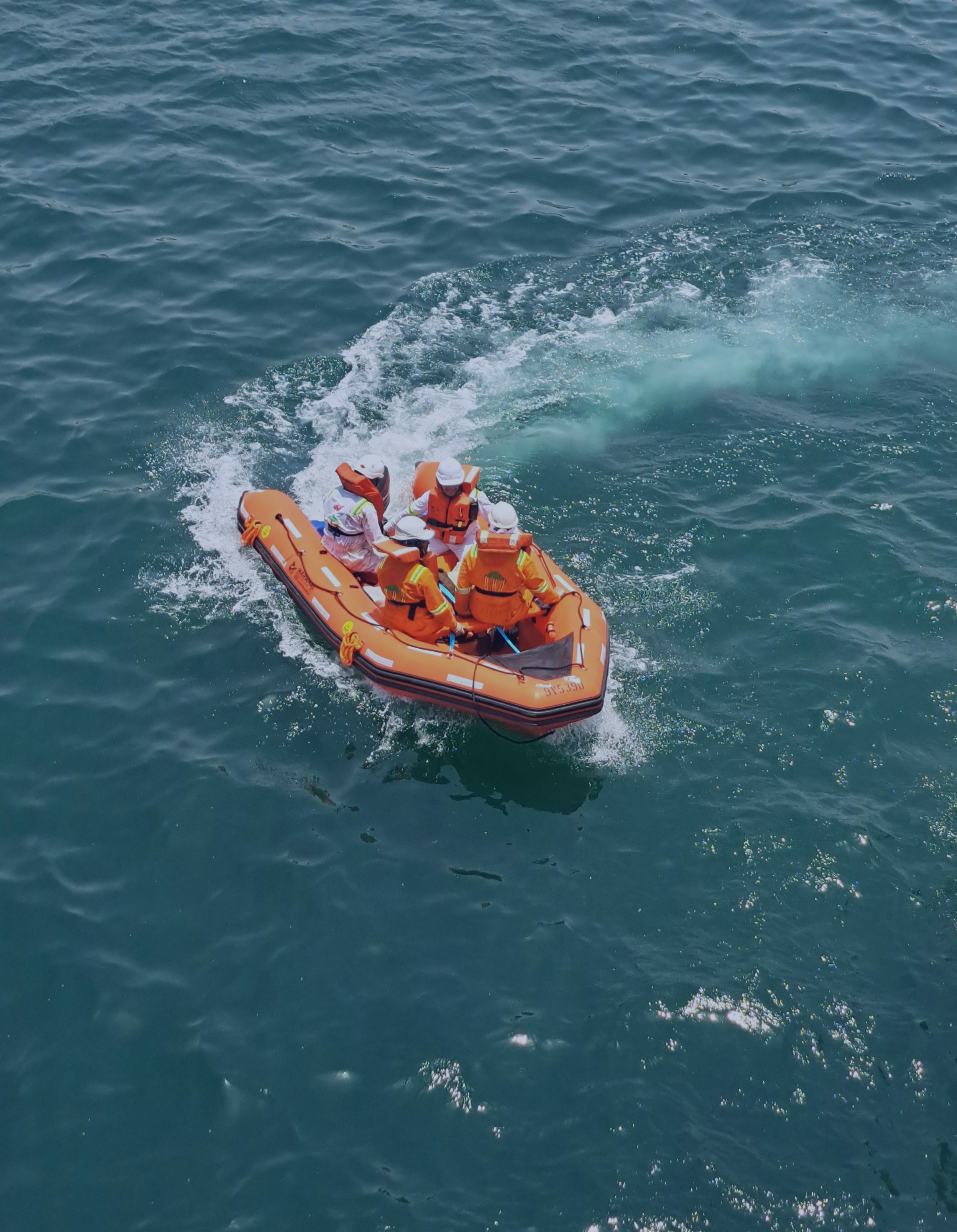
Safety and Compliance First
The Iraqi Supreme Maritime Authority is the primary body responsible for comprehensive oversight of the maritime sector through its technical and administrative departments, including:
The Maritime Inspection Department, which audits vessel seaworthiness, ensures compliance with safety standards, issues safety and navigation certificates, and monitors crew qualifications.
The General Company for Ports of Iraq, which plays a direct role in managing maritime operations within territorial waters and ports, and in implementing safety procedures at port facilities.
The Role of the Private Sector (AGP)
Within this integrated framework, Durat Al Khaleej Al Arabi (AGP) plays a pioneering role in supporting and implementing maritime safety standards in Iraq. As one of the country’s leading national companies in marine transport and STS (Ship-to-Ship) operations, AGP is committed to applying global safety regulations and standards such as OCIMF, ISGOTT, MARPOL, and ISO across all its operations.
The company has a strong track record of collaboration with both local and international oil companies and is among the first Iraqi firms to obtain ISO certifications (9001, 14001, 45001) in quality, environmental management, and occupational safety — reflecting its strict adherence to professional and safety performance standards.
AGP also places special emphasis on health and medical safety, managing internal medical committees to monitor employee health, respond to emergencies or outbreaks, and ensure uninterrupted maritime operations without endangering personnel or the marine environment. The company implements emergency medical protocols, provides first-aid equipment onboard vessels, and maintains rapid response plans for infectious diseases — integrating technical and medical safety to position AGP as a comprehensive marine service provider with strict preventive standards.
AGP relies on highly qualified and experienced marine personnel and advanced equipment to ensure the highest levels of safety during operations. It also contributes directly to the development of the sector through continuous training, monitoring, and improvement of the maritime work environment.
Safety Procedures in Maritime Operations
- Conducting regular inspections and audits of vessels operating in Iraqi waters.
- Enforcing safe navigation regulations and designating anchorage and maneuvering zones.
- Auditing emergency plans and onboard rescue equipment.
- Regular crew training on evacuation, firefighting, and oil spill response.
- Adhering to safe transport standards for hazardous and petroleum materials in accordance with the IMDG Code.
- Monitoring STS operations through licensed companies that comply with international standards, such as AGP.
A Shared Responsibility and International Collaboration
Maritime safety is not limited to legislation — it is a culture embraced by all stakeholders in the maritime field, including ship operators, agencies, ports, and regulatory bodies. Iraq is also working to strengthen cooperation with international organizations such as the International Maritime Organization (IMO) and to develop its maritime infrastructure in line with modern safety requirements.
Iraq has made significant strides in developing its maritime safety system in line with global changes and continues its efforts to provide a safe, sustainable, and reliable maritime environment. In this context, we — as part of Iraq’s maritime sector, whether as official institutions or service providers like AGP — remain committed to delivering high-quality marine services that meet the highest safety standards, recognizing that the protection of lives and the marine environment is the cornerstone of the success and sustainability of Iraq’s maritime industry.

Write a comment